


Abstract
The convergence of material science and illumination technology finds a potent expression in the application of aluminum die casting for LED lighting. This manufacturing process, which involves injecting molten aluminum alloy into a hardened steel mold under high pressure, has become foundational to the production of high-performance, durable, and aesthetically versatile LED fixtures. The method's capacity for producing complex, net-shape parts with excellent dimensional accuracy addresses the critical need for effective thermal management in modern lighting systems. By facilitating intricate heat sink geometries, aluminum die casting directly contributes to enhanced LED longevity, stable color rendering, and overall system efficiency. Furthermore, the process yields components that are both lightweight and robust, offering significant advantages in structural integrity and ease of installation for a wide range of applications, from architectural lighting to commercial lighting solutions. The inherent properties of aluminum, including its high thermal conductivity, corrosion resistance, and recyclability, align with the technical and ecological demands of the contemporary lighting industry, making die casting an indispensable technique for manufacturers aiming to deliver superior quality and value.
Key Takeaways
- Achieve superior thermal management, extending LED lifespan and performance.
- Gain unparalleled design freedom for complex and intricate fixture shapes.
- Ensure exceptional durability and resistance to environmental stressors.
- Leverage cost-effective production for high-volume manufacturing runs.
- Benefit from the lightweight strength of aluminum for easier installation.
- The process of aluminum die casting for LED lighting ensures premium aesthetics.
- Promote sustainability through a highly recyclable manufacturing material.
Table of Contents
1. The Imperative of Superior Thermal Management
The function of a light-emitting diode (LED) appears deceptively simple: pass a current through a semiconductor, and it emits photons. Yet, this elegant process of electroluminescence is not perfectly efficient. A significant portion of the electrical energy supplied to an LED is converted not into light, but into heat. Without a deliberate and effective strategy for managing this thermal byproduct, the very heart of the LED—the semiconductor junction—will suffer. Elevated junction temperatures precipitate a cascade of negative consequences, including a reduction in light output (lumen depreciation), shifts in the color of the light produced (color shift), and, most critically, a drastic shortening of the component's operational lifespan. The challenge, then, for any lighting designer or engineer is not merely to create light, but to create a stable and enduring environment in which light can be reliably produced. It is within this context that the choice of housing material and manufacturing process becomes a matter of primary importance. Aluminum die casting for LED lighting emerges not as one option among many, but as a deeply reasoned response to this fundamental thermal challenge.
The Physics of Heat Dissipation in LED Systems
To appreciate why aluminum die casting is so well-suited for this task, we must first consider the physics of heat transfer. Heat moves from a warmer area to a cooler one through three mechanisms: conduction, convection, and radiation. In an LED fixture, the journey of waste heat begins at the semiconductor junction. From there, it must be conducted away from the chip, through a thermal interface material, and into the main body of the lighting fixture, which serves as a heat sink. This is the first and most critical step. Conduction is the transfer of thermal energy through direct contact, and its efficiency is governed by a material's thermal conductivity. Materials with high thermal conductivity, like metals, act as superhighways for heat, moving it quickly away from its source. Aluminum possesses a remarkably high thermal conductivity, typically around 200-240 Watts per meter-Kelvin (W/mK), depending on the specific alloy. This property allows it to rapidly draw heat away from the sensitive LED components, preventing a dangerous thermal buildup at the source. Once the heat has been conducted into the larger mass of the aluminum housing, it must be transferred to the surrounding air. This occurs through convection—the movement of heat via the flow of a fluid, in this case, air—and radiation, the emission of thermal energy as electromagnetic waves. The intricate shapes and large surface areas made possible by aluminum die casting are specifically designed to maximize these two processes. The fins, pins, and complex geometries of a well-designed heat sink increase the total surface area that is in contact with the air, creating more opportunity for convective cooling. As air near the fins warms up, it becomes less dense and rises, drawing cooler, denser air in to take its place. This natural convective loop is a silent, passive engine of cooling that operates continuously. The die casting process allows for the optimization of this airflow, creating channels and spacing that promote efficient circulation. The surface of the aluminum also radiates heat into the environment, contributing further to the overall cooling effect.
Impact on LED Lifespan, Efficacy, and Color Stability
The relationship between an LED's junction temperature and its lifespan is not linear; it is exponential. This relationship is often described by the Arrhenius equation, a formula from physical chemistry that models the temperature dependence of reaction rates. For LEDs, the "reaction" is the gradual degradation of the materials within the semiconductor package. A general rule of thumb in the industry, derived from empirical testing, suggests that for every 10°C (18°F) increase in junction temperature, the expected lifespan of the LED can be cut in half. A fixture with poor thermal management might allow an LED to operate at 85°C, while a superior design using an aluminum die-cast heat sink might keep it at a stable 65°C. This 20°C difference could mean the difference between a fixture that lasts 25,000 hours and one that endures for 100,000 hours. This is not a trivial improvement; it is the distinction between a disposable product and a long-term infrastructure investment. The efficacy of the LED—its ability to convert watts into lumens—is also directly tied to temperature. As the junction heats up, efficacy drops. An LED that is efficient at 25°C will produce noticeably less light per watt at 85°C. Therefore, effective cooling from an aluminum die-cast housing means that the fixture not only lasts longer but also produces more light for every unit of energy consumed throughout its life. This has direct implications for energy savings and compliance with stringent efficiency standards. Finally, color stability is at stake. The color of light an LED produces is determined by the semiconductor material and the phosphor coating that converts the initial blue light into a broader spectrum of white light. High temperatures can alter the properties of this phosphor, causing the color temperature and Color Rendering Index (CRI) of the light to shift over time. A warm white (2700K) downlight might drift towards a cooler, bluer hue, or its ability to render colors accurately might degrade. For applications in retail, galleries, or architectural settings where color fidelity is paramount, such a shift is unacceptable. The stable thermal environment provided by die-cast aluminum fixtures ensures that the light specified on day one remains the light seen for years to come.
Comparing Aluminum Die Casting to Other Manufacturing Methods
To fully grasp the unique advantages of die casting, it is useful to compare it with other methods of producing aluminum parts for lighting. One common alternative is extrusion. In this process, a billet of aluminum is forced through a die to create a long, continuous profile with a fixed cross-section. This is an excellent method for creating linear components, like the bodies of LED tube lights or some track lighting systems. However, extrusion is fundamentally two-dimensional. It cannot easily create the complex, three-dimensional shapes needed for an optimal heat sink, such as one with tapered fins, integrated mounting points, and varying wall thicknesses. An extruded heat sink is often a compromise, a shape that is manufacturable rather than one that is thermally ideal. Another method is CNC (Computer Numerical Control) machining, where a solid block of aluminum is cut away by a computer-controlled tool to create the final part. CNC machining offers incredible precision and can create almost any shape imaginable. The drawback is cost and time. It is a subtractive process, which means a significant amount of material is wasted as swarf, and the time required to machine a single complex part can be substantial. For the mass production of commercial lighting fixtures, CNC machining is often prohibitively expensive. Sand casting, an older method, involves pouring molten metal into a mold made of sand. While inexpensive for tooling, it produces parts with a rough surface finish and poor dimensional accuracy, requiring significant post-processing and limiting the intricacy of heat sink designs. Aluminum die casting for LED lighting synthesizes the best of these worlds. It provides the three-dimensional complexity that extrusion lacks, but with the speed and repeatability necessary for mass production, which CNC machining cannot match on a cost basis. It allows for the creation of a single, monolithic part that can serve as the heat sink, the structural housing, and the aesthetic enclosure, a level of integration that is the hallmark of sophisticated engineering.
2. Unmatched Design Freedom and Geometric Complexity
The evolution of lighting has always been tethered to the evolution of its enclosure. From the simple functionality of an Edison bulb socket to the ornate chandeliers of a bygone era, the form of a light fixture has been constrained by the materials and manufacturing methods of its time. Modern lighting design, particularly in the realms of architectural and commercial lighting, demands more than mere function. It calls for fixtures that can be integrated seamlessly into architectural visions, that can make aesthetic statements, or that can disappear into a ceiling, leaving only their effect. This demand for formal sophistication and integration places immense pressure on the manufacturing process. A process that can only produce simple shapes will necessarily limit the imagination of the designer. Herein lies the second profound reason for the dominance of aluminum die casting for LED lighting: its extraordinary capacity to produce parts of immense geometric complexity with high fidelity and repeatability. It unshackles the designer from the constraints of simpler fabrication methods and opens a vast landscape of formal possibility.
From Concept to Solid Form: The Die Casting Process
Imagine trying to sculpt a complex object from a solid block of wood. You would need to carefully carve away material, a slow and labor-intensive process. Now, imagine instead that you have a detailed mold and can simply pour a liquid substance into it that hardens into the desired shape. This is the essential logic of casting. Die casting refines this concept to an industrial art form. The "die" is a mold, typically made from hardened tool steel, that is machined to be the negative of the final part. This mold is a masterpiece of engineering in its own right, often consisting of two halves—the "cover die" and the "ejector die"—and potentially incorporating complex moving slides or cores to create undercuts and internal features. The process begins by heating an aluminum alloy until it is fully molten. This molten metal is then forced into the die cavity under extremely high pressure, ranging from 1,500 to over 25,000 pounds per square inch (psi). This intense pressure is key; it ensures that the molten aluminum fills every minute detail of the mold, from sharp corners to delicate fins to textured surfaces, before it solidifies. The water-cooled channels within the die then rapidly cool the metal, and the part solidifies in a matter of seconds. The die opens, and ejector pins push the finished part out. The entire cycle, from injection to ejection, can take mere seconds for a small part to a couple of minutes for a large, complex housing. This ability to transform a pool of liquid metal into a solid, intricate, near-net-shape component with such speed and precision is what gives designers such profound freedom. Features that would be difficult or impossible to achieve with other methods become standard practice. For instance, a designer can specify varying wall thicknesses within a single part—thicker sections for structural integrity and mounting points, and thinner sections for heat-dissipating fins to save weight and material. They can design snap-fit features, threaded bosses, and integrated connector housings directly into the part, eliminating the need for secondary assembly operations and additional components. This level of integration is a dream for designers aiming for clean, minimalist aesthetics and robust construction.
Enabling Advanced Luminaire Designs
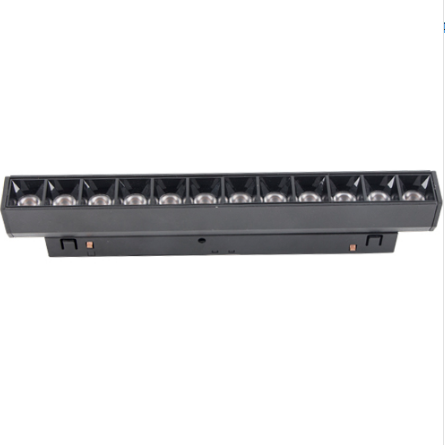
Consider the modern LED downlight. A high-quality downlight is not just a can with a bulb in it. It is a sophisticated optical and thermal system. The designer needs to manage the heat from the LED array, control the beam of light with a precision reflector, and ensure the fixture can be securely and easily installed in a ceiling. Aluminum die casting allows a single part to address all these needs. The upper portion of the housing can be designed as a high-performance heat sink with complex fin geometry optimized through computational fluid dynamics (CFD) simulation. The lower portion can be shaped to perfectly house the reflector and lens assembly, ensuring precise optical alignment. Mounting clips and connection points can be integrated directly into the casting. The result is a compact, efficient, and robust fixture that is easy to manufacture and install. Now think about a more expressive piece of architectural lighting, perhaps an outdoor wall sconce with an organic, flowing shape. Fabricating such a shape through welding and bending sheet metal would be a complex, multi-stage process with visible seams and potential weaknesses. CNC machining it from a solid block would be astronomically expensive. But with die casting, this complex, sculptural form can be produced as a single, seamless piece, perfectly realizing the designer's intent with the structural integrity needed to withstand the elements. This capability extends to all forms of modern lighting, including sophisticated commercial lighting solutions. For LED track lights, die casting can create compact, elegant heads with integrated heat sinks and adjustment mechanisms. For LED panel lights, it can produce strong, thin, and lightweight frames that also help dissipate heat from the edge-lit LEDs. The process empowers designers to think holistically about the fixture, blending thermal performance, structural requirements, and aesthetic expression into a single, unified object.
| Parameter | Aluminum Die Casting | Aluminum Extrusion | CNC Machining | Sand Casting |
|---|---|---|---|---|
| Geometric Complexity | Very High (3D, complex curves, varying thickness) | Low (Constant 2D cross-section) | Very High (Almost unlimited) | Low to Medium (Limited by sand mold) |
| Production Speed | Very High (Seconds to minutes per part) | High (Continuous process) | Very Low (Hours per part) | Low to Medium |
| Tooling Cost | High | Medium | Low (No dedicated tooling) | Low |
| Per-Part Cost (High Volume) | Very Low | Low | Very High | Medium |
| Dimensional Accuracy | High (Tight tolerances) | Medium | Very High (Highest precision) | Low (Poor tolerances) |
| Surface Finish | Good to Excellent (Smooth) | Good (Consistent lines) | Excellent (Can be polished) | Poor (Rough texture) |
| Best Application | Complex housings (downlights, spotlights), integrated heat sinks | Linear fixtures (LED tubes, trunking systems), simple profiles | Prototyping, highly specialized low-volume parts | Large, simple parts where precision is not key |
Integration of Features and Reduction of Assembly Costs
One of the most significant, though often overlooked, advantages of design freedom is the ability to consolidate parts. In a traditionally fabricated assembly, a lighting fixture might consist of a stamped metal housing, a separate extruded heat sink, a machined mounting bracket, and various screws, nuts, and bolts to hold it all together. Each of these parts must be manufactured, sourced, inventoried, and assembled. Each connection point is a potential point of failure, a place where tolerances can stack up, and a step that adds labor cost to the final product. Aluminum die casting for LED lighting offers a path toward radical simplification. As mentioned, features like heat sinks, mounting points, screw bosses, and connector housings can be designed directly into the main body of the fixture. This is known as Design for Manufacturing and Assembly (DFMA), and die casting is a premier technology for its implementation. By creating a single, multifunctional component, a manufacturer can drastically reduce the bill of materials (BOM) and slash assembly time. This not only lowers the direct cost of the product but also improves its overall quality and reliability. Fewer parts mean fewer things to go wrong. A monolithic die-cast housing is inherently stronger and more rigid than a multi-part assembly. It eliminates issues of components loosening over time due to vibration or thermal cycling. This integration also allows for more compact and lightweight designs, as the material can be placed exactly where it is needed for structural or thermal purposes, without the added bulk of fasteners and brackets. For companies that offer professional solutions and project design drafts, this capability is invaluable. It allows them to engineer custom lighting solutions that are not only aesthetically pleasing and high-performing but also economically viable and built to last.
3. A Foundation of Exceptional Durability and Longevity
A lighting fixture is an investment. Whether installed in a commercial office, a retail space, an industrial facility, or along a city street, it is expected to perform its function reliably for years, often for decades. It must withstand not only the internal stresses of its own operation—the heat, the electrical currents—but also the external challenges of its environment. These can range from mechanical shock and vibration in a factory to corrosive salt spray in a coastal area to the daily cycle of heating and cooling. The inherent durability of a fixture's housing is therefore not a secondary characteristic; it is a core component of its value proposition. A fixture that fails prematurely is not just an inconvenience; it represents a financial loss, a maintenance burden, and a potential safety hazard. The use of aluminum die casting for LED lighting provides a powerful answer to this need for long-term resilience. The process and the material combine to create components with a level of structural integrity and environmental resistance that is difficult to achieve with other methods.
The Material Science of Strength and Hardness
The term "aluminum" can be misleading, as it suggests a single, uniform material. In reality, the aluminum used in die casting is almost always an alloy, a carefully formulated mixture of aluminum with other elements designed to enhance specific properties. The most common alloy family for this purpose is the aluminum-silicon (Al-Si) group, with alloys like A380 and A360 being industry workhorses. Silicon is added primarily to improve the fluidity of the molten metal, allowing it to fill the complex die cavities more easily. It also reduces solidification shrinkage and increases hardness. Other elements like copper can be added to increase strength and hardness further, while magnesium can improve corrosion resistance. The die casting process itself contributes significantly to the final strength of the part. The rapid cooling of the molten metal within the steel die results in a very fine-grained microstructure. In metallurgy, a finer grain structure generally translates to higher strength and hardness. The outer "skin" of a die-cast part, which solidifies almost instantly against the cool die wall, is particularly fine-grained and dense, creating a tough, protective layer. This combination of tailored alloy chemistry and process-induced microstructure gives die-cast aluminum parts an excellent strength-to-weight ratio. They can be designed to withstand significant mechanical loads, impacts, and vibrations without failing. This is particularly important for lighting fixtures in demanding environments like industrial high-bay applications, where machinery can cause constant vibration, or in public spaces where fixtures may be subject to vandalism. The inherent rigidity of a monolithic die-cast part, as opposed to a multi-part assembly, also prevents flexing and movement that could damage internal components or optical systems over time.
Resistance to Corrosion and Environmental Factors
One of aluminum's most celebrated properties is its natural resistance to corrosion. When exposed to air, aluminum instantly forms a thin, tough, and transparent layer of aluminum oxide (Al\u2082O\u2083) on its surface. This passive oxide layer is chemically stable and acts as a barrier, protecting the underlying metal from further oxidation and attack by many common environmental agents. This self-passivating characteristic makes aluminum an ideal material for outdoor and damp-location lighting fixtures, such as street lights, floodlights, and canopy lights. Unlike steel, which will readily rust and degrade unless heavily protected, an aluminum housing can endure years of exposure to rain, humidity, and atmospheric pollutants with minimal degradation. For even greater protection, especially in harsh environments like coastal regions with salt-laden air or industrial areas with chemical fumes, die-cast aluminum parts can be easily treated with conversion coatings and finished with durable powder coats. The die casting process produces a smooth, non-porous surface that is an ideal substrate for these coatings. A multi-stage pre-treatment process cleans and etches the surface, creating a microscopic profile for the powder coat to adhere to. The powdered polymer is then electrostatically sprayed onto the part and cured in an oven, where it melts and flows into a hard, continuous, and highly durable finish. This combination of aluminum's natural corrosion resistance and a high-quality powder coat finish creates a formidable defense against the elements, ensuring that the fixture not only continues to function but also maintains its aesthetic appearance for many years. This is a critical consideration for architectural projects where the long-term look of the building is paramount. The ability to provide robust protection against corrosion is a key reason why aluminum die casting for LED lighting is the standard for high-quality outdoor illumination.
| Alloy Designation (ASTM) | Key Alloying Elements | Primary Characteristics | Typical Lighting Applications |
|---|---|---|---|
| A380 | Silicon (Si), Copper (Cu) | Excellent balance of castability, mechanical properties, and thermal conductivity. The most common and versatile die casting alloy. | General-purpose housings, indoor LED downlights, track light heads, decorative fixtures. |
| A360 | Silicon (Si), Magnesium (Mg) | Superior corrosion resistance, good strength, and high-temperature performance. Slightly more difficult to cast than A380. | Outdoor fixtures, street lights, marine applications, luminaires for harsh environments. |
| A413 (ADC12) | Silicon (Si) | Excellent pressure tightness and fluidity. Good for intricate and thin-walled parts. | Complex heat sinks, housings for LED panel lights, components requiring high detail. |
| K-Alloy (A385) | Silicon (Si), Copper (Cu), Zinc (Zn) | Developed for superior polishability and finishing characteristics, with good mechanical properties. | High-end decorative fixtures, architectural luminaires where a premium finish is required. |
Ensuring Long-Term Reliability and Reduced Maintenance
The cumulative effect of this inherent strength and environmental resistance is a significant increase in the long-term reliability of the lighting fixture. A durable housing protects the sensitive electronics and optics within from the rigors of the outside world. This reduces the likelihood of premature failure and, consequently, lowers the total cost of ownership. Maintenance is a substantial, often hidden, cost associated with any lighting installation. Sending a technician with a ladder or a lift truck to repair or replace a failed fixture is expensive and disruptive. For a facility manager overseeing thousands of lights in an office building or a municipality responsible for an entire city's street lighting, minimizing these maintenance events is a top priority. By choosing fixtures built with robust aluminum die-cast housings, they are investing in a "fit and forget" solution. The durability of the housing ensures that failures are more likely to be related to the predictable end-of-life of the electronic driver or LED module, rather than a random failure caused by a cracked housing, water ingress, or corrosion. This predictability allows for planned, group-relamping or replacement cycles, which are far more efficient and cost-effective than reactive, one-off repairs. The longevity provided by the aluminum die casting process is not just a feature; it is a strategic advantage that delivers tangible economic benefits over the entire life of the installation. It builds confidence in the product and the brand, fostering the kind of long-term partnerships that are the bedrock of the professional lighting industry.
When it comes to durability and efficiency, aluminum die casting for LED lighting offers outstanding performance. As a professional supplier with over 12 years of experience in commercial lighting, we provide high-quality solutions tailored to different project needs. For more details or inquiries, please contact us.
4. The Economic Calculus: Cost-Effectiveness at Scale
In any manufacturing endeavor, the conversation eventually turns to economics. A technology can be elegant, and a material can be ideal, but if the resulting product is not commercially viable, its impact will remain limited. The world of commercial and architectural lighting is highly competitive. Clients demand high performance and exceptional quality, but they operate within the real-world constraints of project budgets. A successful manufacturing process must therefore deliver not just technical excellence but also economic efficiency. This brings us to the fourth compelling reason for the widespread adoption of aluminum die casting for LED lighting: its remarkable cost-effectiveness, particularly when producing parts in medium to high volumes. While the initial investment in tooling can be substantial, the low per-part cost, high production speed, and reduced secondary processing create a powerful economic argument that is difficult to ignore.
Analyzing the Cost Structure: Tooling vs. Per-Part Cost
Understanding the economics of die casting requires separating two distinct types of costs: the one-time, upfront cost of the tooling (the die), and the recurring, per-part cost of production. The die, as previously described, is a complex piece of precision-engineered hardened steel. Designing and fabricating a high-quality die can be a significant investment, ranging from several thousand to over one hundred thousand dollars, depending on the size and complexity of the part. This high initial cost can be a barrier for very low-volume production or one-off prototypes. This is the domain where a process like CNC machining, with no tooling cost, excels. However, the economic picture inverts dramatically as production volume increases. Once the die is made, the per-part cost of die casting is exceptionally low. The raw material, aluminum alloy ingot, is a globally traded commodity with a relatively stable cost. The process is highly automated, minimizing direct labor input. The cycle times are incredibly fast, meaning a single machine can produce thousands of parts in a single day. This high-speed, low-labor model drives the per-part cost down to a level that other processes capable of similar complexity, like CNC machining, cannot hope to match. The breakeven point—the production volume at which the total cost of die casting (tooling + N parts) becomes lower than the total cost of another process (like CNC machining N parts)—is often reached at just a few hundred or a few thousand units. For the production of standard commercial lighting fixtures like LED downlights or track lights, where annual volumes can be in the tens or hundreds of thousands, die casting is not just the cheaper option; it is the only economically feasible one for creating complex shapes.
The Value of Speed, Repeatability, and Reduced Waste
The economic benefits extend beyond the simple cost per part. The speed of the die casting process has profound implications for the entire supply chain. A manufacturer can respond quickly to large orders, reducing lead times and allowing for more flexible inventory management. This agility is a significant competitive advantage in a fast-moving market. Furthermore, the process is characterized by exceptional repeatability. The first part produced from a die and the ten-thousandth part will be virtually identical, with dimensional variations measured in thousandths of an inch. This consistency is vital for ensuring quality and simplifying assembly. When every housing is the same, automated assembly processes run smoothly, and optical components fit perfectly every time, eliminating the need for manual adjustments and rework. This level of precision is guaranteed by the robust nature of the steel die, which can often produce hundreds of thousands of parts before requiring major refurbishment. Another important economic factor is material utilization. Die casting is a "net-shape" or "near-net-shape" process. This means the initial part produced from the die is very close to the final, finished shape. There is very little wasted material. Compare this to a subtractive process like CNC machining, where a large portion of an expensive block of aluminum is cut away and turned into low-value scrap. In die casting, the only significant scrap comes from the "runner" system—the channels that guide the molten metal into the part cavity—and any overflow "flash." This scrap is clean, of a known alloy, and can be immediately remelted and reused in the process, leading to extremely high material efficiency, often exceeding 95%. This minimization of waste is not only economically prudent but also environmentally responsible.
Reducing Downstream Costs: Assembly and Finishing
A comprehensive economic analysis must look beyond the cost of the raw component and consider the total cost of the finished product. As discussed under the banner of design freedom, the ability of aluminum die casting to integrate multiple features into a single component has a massive impact on downstream costs. By eliminating the need for separate brackets, fasteners, and other hardware, a manufacturer saves not only on the cost of those components but also on the cost of sourcing, inventorying, and assembling them. Reducing the number of parts in a bill of materials (BOM) simplifies the entire production and logistics workflow. Assembly is often a major labor cost component in manufacturing. A design that consolidates five parts into a single die casting can dramatically reduce the time and labor required to build each fixture. This can lead to substantial savings, especially in regions with higher labor costs. Finishing costs are also favorably impacted. Die-cast parts emerge from the mold with a smooth, consistent surface finish that is an excellent base for painting or powder coating. This reduces the amount of surface preparation required compared to rougher processes like sand casting. The ability to create textured or decorative surfaces directly in the die can even eliminate the need for certain secondary finishing operations altogether. When all these factors are considered—low per-part cost at volume, high speed, minimal waste, and reduced assembly and finishing costs—the economic case for aluminum die casting for LED lighting becomes overwhelmingly strong. It provides a pathway to manufacturing high-quality, complex, and durable products at a price point that the market can support.
5. The Paradox of Lightweight Strength: Versatility in Application
In the world of structural materials, there is often a tradeoff between strength and weight. Materials that are very strong, like steel, tend to be very dense and heavy. Materials that are very light, like plastics, often lack the rigidity and strength required for demanding applications. This tension presents a challenge for lighting designers and installers. A fixture needs to be strong enough to support its own weight, withstand environmental loads, and protect its internal components. At the same time, a lighter fixture is easier and safer to handle and install, puts less stress on mounting structures like ceilings and poles, and can reduce shipping costs. Aluminum occupies a sweet spot in this spectrum, and the die casting process is particularly adept at leveraging this advantage. The fifth reason for the process's preeminence is its ability to produce parts that embody the paradox of lightweight strength, opening up a vast range of applications from the delicate to the robust.
The Intrinsic Properties of Aluminum
The foundation of this advantage is the low density of aluminum itself. At approximately 2.7 grams per cubic centimeter (g/cm³), aluminum is about one-third the weight of steel (approx. 7.85 g/cm³). This is a fundamental physical property that provides an immediate and substantial weight advantage. A lighting fixture housing made from aluminum will be significantly lighter than an identical one made from steel or cast iron, without any design changes. However, raw strength is only part of the story. The more relevant metric for many engineering applications is the strength-to-weight ratio. This is where die-cast aluminum alloys truly shine. Through the combination of alloying elements and the fine-grained microstructure produced by the rapid solidification of the casting process, die-cast aluminum parts achieve a level of strength that is remarkable for their low weight. This means that for a given strength requirement, a designer can use less material, resulting in a lighter and more elegant component. This inherent property is a gift to the designer. It means that a large, outdoor area light that needs to withstand high wind loads does not have to be excessively heavy. It means that a long linear pendant fixture can be suspended with more delicate cables. It means that a track light head can be adjusted easily without straining the track system. This reduction in weight permeates through the entire product lifecycle, from manufacturing and handling in the factory, to lower transportation costs, to simpler and safer installation on the job site.
Design Optimization for Mass Reduction
The die casting process allows engineers to move beyond the intrinsic properties of the material and actively design for lightweighting. Because the process can create complex three-dimensional shapes with varying wall thicknesses, material can be placed precisely where it is needed for strength and rigidity, and removed from areas where it is not. This is a form of structural optimization. An engineer can use Finite Element Analysis (FEA) software to simulate the mechanical stresses on a lighting fixture under various load conditions. The results of this analysis can highlight areas of high stress, which can be reinforced with ribs or thicker sections, and areas of low stress, where the wall thickness can be reduced to save weight and material. This is a level of design sophistication that is difficult to achieve with other processes. For example, in an extruded profile, the wall thickness must be constant across the entire shape. In a stamped metal part, the thickness is uniform. With die casting, the designer has the freedom to create a highly optimized, skeletal structure that is strong where it needs to be and light everywhere else. This is analogous to the way bones grow in nature, with material density concentrated in areas of high stress. This intelligent use of material is not only elegant from an engineering perspective but also has direct economic and environmental benefits. Using less material means lower raw material costs and a reduced environmental footprint for the product.
Expanding the Application Envelope
The combination of lightweight and strength dramatically expands the range of possible applications for LED lighting. In the realm of indoor lighting, lightweight LED downlights and troffers are easier for electricians to handle and install, especially when working overhead on ladders or lifts. For suspended lighting systems, the lower weight reduces the load on the ceiling structure and allows for more ambitious, large-scale installations. In retail environments, lightweight and compact LED track lights and spotlights can be easily reconfigured to adapt to changing merchandise displays without requiring heavy-duty track infrastructure. The benefits are even more pronounced in outdoor and industrial applications. The weight of large street light or high-mast luminaires is a critical factor in the design of the poles that support them. Lighter fixtures mean that poles can be less massive, reducing their cost and visual impact. For fixtures mounted on building facades or bridges, lower weight reduces the stress on the building structure. In high-bay industrial settings, lightweight yet durable fixtures are easier to suspend from factory ceilings and are less of a hazard in the event of an earthquake or other structural event. The versatility afforded by this lightweight strength is a key enabler of modern lighting design. It allows for the creation of fixtures that are at once robust and delicate, powerful and unobtrusive. It gives architects and designers the confidence to specify lighting solutions for a wide array of challenging environments, knowing that the physical properties of the aluminum die-cast housing are perfectly suited to the task.
6. The Art of the Finish: Enhancing Aesthetics and Surface Quality
Light is an experiential medium. While the technical performance of a luminaire—its efficiency, its lifespan, its color rendering—is of paramount importance, the physical object itself contributes to the sensory experience of a space. The look and feel of a lighting fixture, its texture, its color, and the precision of its construction, all communicate a sense of quality and intentionality. A beautifully finished fixture can elevate the perceived value of a space, whether it is a luxury retail boutique, a corporate headquarters, or a high-end residence. The sixth compelling reason for the preference for aluminum die casting for LED lighting lies in its ability to produce parts with a superior surface finish and aesthetic quality, providing a perfect canvas for a wide range of decorative and protective coatings. This capability bridges the gap between industrial production and fine craftsmanship.
Achieving a High-Quality "As-Cast" Surface
The quality of the final finish begins with the quality of the initial part. The surface of a die-cast component is a direct replica of the surface of the steel die it was formed in. Because the die is machined from high-grade tool steel and can be polished to a very smooth, near-mirror finish, the resulting aluminum parts emerge from the mold with an inherent smoothness and consistency that is difficult to achieve with other casting methods. A process like sand casting, for example, produces a characteristically rough, pebbly surface due to the texture of the sand mold. This requires extensive secondary operations like grinding and sanding to achieve a smooth finish. In contrast, a well-made die-cast part often requires only minimal preparation before it is ready for coating. The high pressure used in the process ensures that the molten metal captures even very fine details and textures that have been machined or etched into the die surface. This allows designers to specify not just the shape of the part, but also its inherent texture. A fixture could be designed with a smooth, glossy surface, a fine matte texture, or even a complex pattern, all created directly in the casting process. This ability to achieve a high-quality "as-cast" surface is a significant economic and aesthetic advantage. It reduces the need for costly and time-consuming manual finishing processes and provides a consistent, high-quality starting point for any subsequent treatments.
A Versatile Substrate for Diverse Finishes
While the as-cast surface can be attractive in its own right, most lighting fixtures receive a protective and decorative coating. The smooth, non-porous surface of a die-cast part is an ideal substrate for a wide variety of finishing options, allowing manufacturers to offer a broad palette of colors and textures to meet diverse architectural and design requirements. The most common and effective finish for die-cast aluminum is powder coating. As described earlier, this process involves electrostatically spraying a fine powder of polymer and pigment onto the part, which is then cured in an oven. The powder melts and flows into a continuous, durable, and attractive coating. Powder coating offers a nearly limitless range of colors, from standard black, white, and silver to custom hues matched to a specific design palette. It can also produce a variety of textures, including smooth gloss, satin, matte, and even heavily textured finishes that can add a tactile dimension to the fixture. Powder coating is also an environmentally friendly process, as it contains no volatile organic compounds (VOCs) and any overspray can be collected and reused. For applications requiring a different aesthetic, die-cast parts can also be liquid painted. This allows for certain finishes, like metallic or pearlescent effects, that can be more difficult to achieve with powder. Anodizing is another option, particularly for enhancing corrosion resistance while maintaining a metallic appearance. This electrochemical process thickens the natural oxide layer on the aluminum, which can then be dyed in a range of colors. The result is a very hard, durable, translucent finish that becomes an integral part of the metal itself.
Precision and Consistency for a Premium Feel
The aesthetic quality of a fixture is not just about its color or texture; it is also about the precision of its construction. The tight dimensional tolerances and high repeatability of the die casting process contribute directly to a feeling of quality. When parts fit together perfectly with tight, even gaps, it signals a high level of manufacturing care. The clean, sharp lines and defect-free surfaces produced by die casting create a sense of precision and solidity. This is particularly important for minimalist designs where the quality of the object itself is a primary feature. The ability to create complex shapes as a single, monolithic part also enhances the aesthetic. It eliminates the visual clutter of seams, welds, and fasteners, resulting in a cleaner, more sculptural form. This is the difference between a product that feels like an assembly of disparate parts and one that feels like a single, unified, and intentional object. For manufacturers of high-end architectural and commercial lighting, this ability to deliver a premium look and feel is not a luxury; it is a necessity. It is what separates their products from lower-cost alternatives and justifies their position in the market. The aesthetic capabilities of aluminum die casting for LED lighting are therefore not merely cosmetic; they are an essential component of the product's value and a key driver of its desirability in the discerning professional market.
7. An Ethic of Sustainability: The Recyclability of Aluminum
In the 21st century, a responsible manufacturing philosophy must extend beyond the technical and economic performance of a product to consider its environmental impact. The principles of the circular economy—designing out waste, keeping products and materials in use, and regenerating natural systems—are becoming increasingly central to corporate strategy and consumer choice. The final, and perhaps most forward-looking, reason for the central role of aluminum die casting for LED lighting is its strong alignment with these principles of sustainability. Aluminum is one of the most recyclable materials on the planet, and the die casting process is exceptionally efficient in its use and reuse, making it an environmentally conscious choice for a resource-aware world.
The Infinite Loop of Aluminum Recycling
Aluminum is often described as "infinitely recyclable." This means it can be melted down and reformed into new products over and over again without any significant degradation in its material properties. An aluminum lighting fixture at the end of its life is not waste; it is a valuable resource. The energy required to produce recycled (or secondary) aluminum is only about 5% of the energy needed to produce primary aluminum from its raw material, bauxite ore. This represents a staggering 95% energy saving, with a corresponding reduction in greenhouse gas emissions. According to The Aluminum Association, nearly 75 percent of all aluminum ever produced is still in use today. This remarkable history of recycling speaks to both the economic value and the physical properties of the metal. When a die-cast aluminum fixture is taken out of service, the housing can be easily separated from the electronic components and sent to a recycler. There, it is shredded, cleaned, and melted down to be cast into new ingots, ready to begin life as another high-quality product. This closed-loop potential is a powerful sustainability story. By choosing aluminum, manufacturers and specifiers are participating in a well-established and highly efficient recycling infrastructure. This contrasts sharply with many plastics, which can be difficult to recycle, often lose their properties after one or two cycles (downcycling), or may not have a viable recycling stream at all.
Material Efficiency in the Die Casting Process
The sustainability of the process is not limited to the end-of-life of the product. The die casting process itself is inherently material-efficient. As a net-shape process, it converts raw material into finished parts with very little waste. The runners, gates, and flash that are trimmed from the parts are not discarded. They are clean scrap of a known alloy composition and are typically remelted directly on-site or by the metal supplier, creating a closed loop within the manufacturing facility itself. This high level of material utilization minimizes the demand for virgin resources and reduces the overall environmental footprint of production. The precision of the process also contributes to sustainability. By creating parts that are dimensionally accurate and consistent, die casting reduces the scrap rate due to out-of-spec components. The durability of the resulting fixtures also has a significant environmental benefit. A product that lasts for 20 years instead of 5 years means that the raw materials, energy, and water required for manufacturing are amortized over a much longer period. Longevity is a cornerstone of sustainability; the most sustainable product is often the one that does not need to be replaced.
Meeting Modern Environmental Standards and Certifications
As corporations and governments become more focused on sustainability, there is a growing demand for products that can meet stringent environmental standards and contribute to green building certifications like LEED (Leadership in Energy and Environmental Design) or BREEAM (Building Research Establishment Environmental Assessment Method). These programs often award points for products that have a high recycled content, are sourced regionally, and are manufactured using processes that minimize environmental impact. Aluminum die-cast products are well-positioned to meet these criteria. Manufacturers can specify aluminum alloys with a high percentage of recycled content, helping projects achieve their sustainability goals. The durability and energy efficiency of the final LED fixtures also contribute significantly to the overall environmental performance of a building. By choosing aluminum die casting for LED lighting, a company demonstrates a commitment to responsible manufacturing practices. It is a choice that looks beyond the immediate needs of the project to the long-term health of the planet. This ethic of sustainability is no longer a niche concern; it is a core expectation of a growing number of clients, designers, and the public at large. It provides a powerful narrative that complements the technical and economic advantages of the process, creating a holistic and compelling case for its continued and expanded use.
Frequently Asked Questions (FAQ)
- 1. What is the primary difference between aluminum die casting and aluminum extrusion for lighting?
- The primary difference lies in geometric capability. Extrusion creates long, two-dimensional profiles with a constant cross-section, ideal for linear products like LED tubes. Die casting injects molten aluminum into a three-dimensional mold, allowing for highly complex, integrated shapes with varying wall thicknesses, which is perfect for sophisticated components like downlight housings and advanced heat sinks.
- 2. Which aluminum alloy is best for an outdoor LED floodlight?
- For outdoor applications, an alloy like A360 is often recommended. Its higher magnesium content provides superior corrosion resistance compared to the more common A380 alloy. When combined with a robust powder coat finish, an A360 housing offers excellent long-term durability in harsh, wet, or coastal environments.
- 3. How does die casting affect the IP (Ingress Protection) rating of a lighting fixture?
- Die casting significantly helps in achieving high IP ratings (e.g., IP65, IP66). The process creates precise, stable, and non-porous housings. This allows for the design of accurate grooves for gaskets and seals. The rigidity of the die-cast part ensures that these seals are consistently compressed, providing a reliable barrier against dust and water ingress over the long term.
- 4. Is the high initial tooling cost of die casting always a disadvantage?
- Not necessarily. The high tooling cost is an upfront investment that is amortized over the production run. For medium to high-volume products, the extremely low per-part cost quickly offsets the initial tooling investment, making it far more economical than processes like CNC machining. For low-volume or prototype runs, the tooling cost can be prohibitive, but for mass production, it is a key part of the economic advantage.
- 5. Can you achieve different colors and textures with die-cast parts?
- Absolutely. The die-cast part is an excellent substrate for various finishes. The most common method is powder coating, which is available in a virtually unlimited range of colors and several textures (gloss, matte, satin, textured). Liquid painting, anodizing, and plating are also possible, allowing designers to achieve almost any desired aesthetic for their lighting fixtures.
- 6. How does the weight of a die-cast aluminum fixture compare to one made of steel?
- A die-cast aluminum fixture is approximately one-third the weight of a steel fixture of the same dimensions. This is due to aluminum's much lower density. The die casting process further enhances this advantage by allowing for the design of optimized, lightweight structures, reducing material usage while maintaining strength.
- 7. What is the typical lifespan of a die-cast aluminum housing?
- The housing itself, if properly designed and finished, can last for many decades. Its operational lifespan is not limited by material degradation in the way that electronic components are. The durability of the die-cast housing ensures it will almost certainly outlast the LED modules and drivers it contains, providing a robust, protective enclosure for multiple cycles of technology upgrades.
Conclusion
The relationship between a manufacturing process and a technology is rarely one of simple convenience; at its best, it is a deeply symbiotic partnership where each elevates the potential of the other. The examination of aluminum die casting for LED lighting reveals just such a partnership. The formidable challenges posed by LED technology—the critical need for thermal dissipation, the demand for long-term reliability, and the desire for energy efficiency—are met and answered by the intrinsic capabilities of this manufacturing method. The die casting process offers a nuanced and powerful solution, transforming raw aluminum alloy into sophisticated, multifunctional components that serve as the very foundation of modern high-performance lighting.
From the elegant physics of heat transfer managed by intricate fin geometries to the broad aesthetic vocabulary afforded by complex molds and superior surface finishes, the advantages are manifest. The method provides designers with the freedom to innovate, crafting luminaires that are not only functionally superior but also architecturally integrated and aesthetically expressive. It provides manufacturers with an economically sound pathway to mass production, balancing the precision of engineering with the realities of the market through speed, repeatability, and material efficiency. The resulting products are durable, lightweight, and resistant to the rigors of their environment, promising decades of reliable service and reducing the long-term burden of maintenance. Crowning these practical virtues is an ethic of sustainability, rooted in the infinite recyclability of aluminum and the material efficiency of the process itself. The convergence of these factors leads to a clear understanding: the choice of aluminum die casting is not merely a technical decision. It is a strategic one, foundational to creating lighting solutions that are effective, enduring, and responsible.
References
- Bayer, A. (2019). The Basics of Die Casting. North American Die Casting Association. https://www.diecasting.org/wcm/DieCasting/wcm/DieCasting/DC2_Basics.aspx
- Cengel, Y. A., & Ghajar, A. J. (2020). Heat and mass transfer: Fundamentals and applications (6th ed.). McGraw-Hill Education.
- Davis, J. R. (Ed.). (1993). Aluminum and aluminum alloys (Vol. 2). ASM International.
- Kinetic Die Casting, Inc. (2023). The Uses of Aluminum Lighting Fixture Parts in 2023. https://www.kineticdiecasting.com/kdc/the-uses-of-aluminum-lighting-fixture-parts-in-2023/
- Luo, A. A. (2013). Magnesium casting technology for structural applications. Journal of Magnesium and Alloys, 1(1), 2-22. https://doi.org/10.1016/j.jma.2013.02.002
- Narendran, N., & Gu, Y. (2005). Life of LED-based white light sources. Journal of Display Technology, 1(1), 167-171. https://doi.org/10.1109/JDT.2005.852510
- Schubert, E. F. (2018). Light-emitting diodes (3rd ed.). Cambridge University Press.
- The Aluminum Association. (n.d.). Recycling. https://www.aluminum.org/industries/production/recycling
- The Die Casting. (2020). Aluminum Die Casting Street Lighting Housing.
- Tötök, G., & Dávid, C. (2021). Thermal analysis of high-power LED luminaire. 2021 22nd International Carpathian Control Conference (ICCC), 401-406. https://doi.org/10.1109/ICCC51523.2021.9464402